01 — Discover
Research & Empathy
The original project was delivered through stakeholder discussions, requirement analysis, design exploration, and engineering collaboration.
Deliverables
04 — Rupay · April 2025 – Jan 2026
Rupay is a platform that acts as an intermediary for customer transactions. The platform requires an internal ecosystem to accurately monitor and manage fund flows, especially since transactions involve multiple roles with distinct responsibilities.
Overview
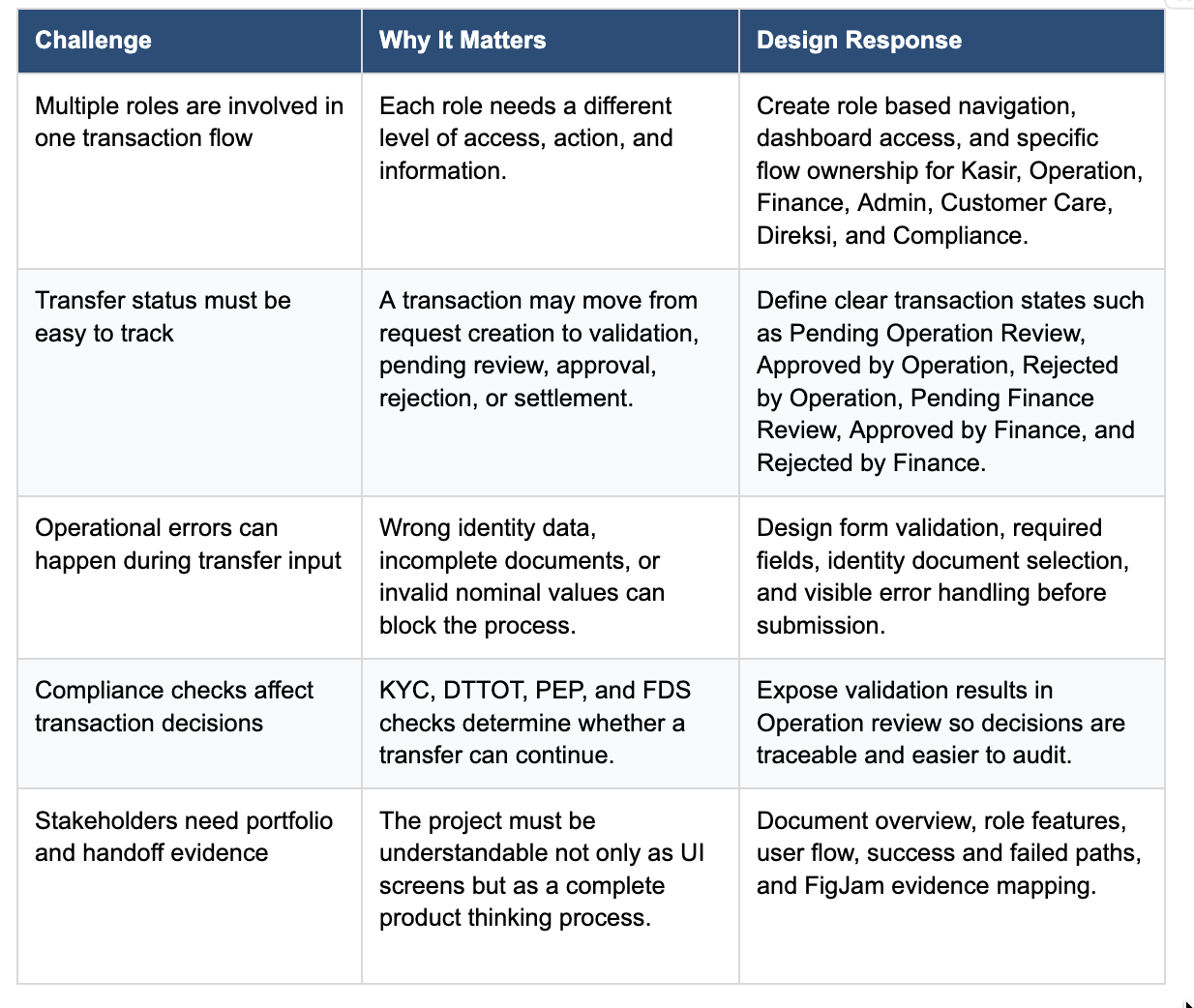
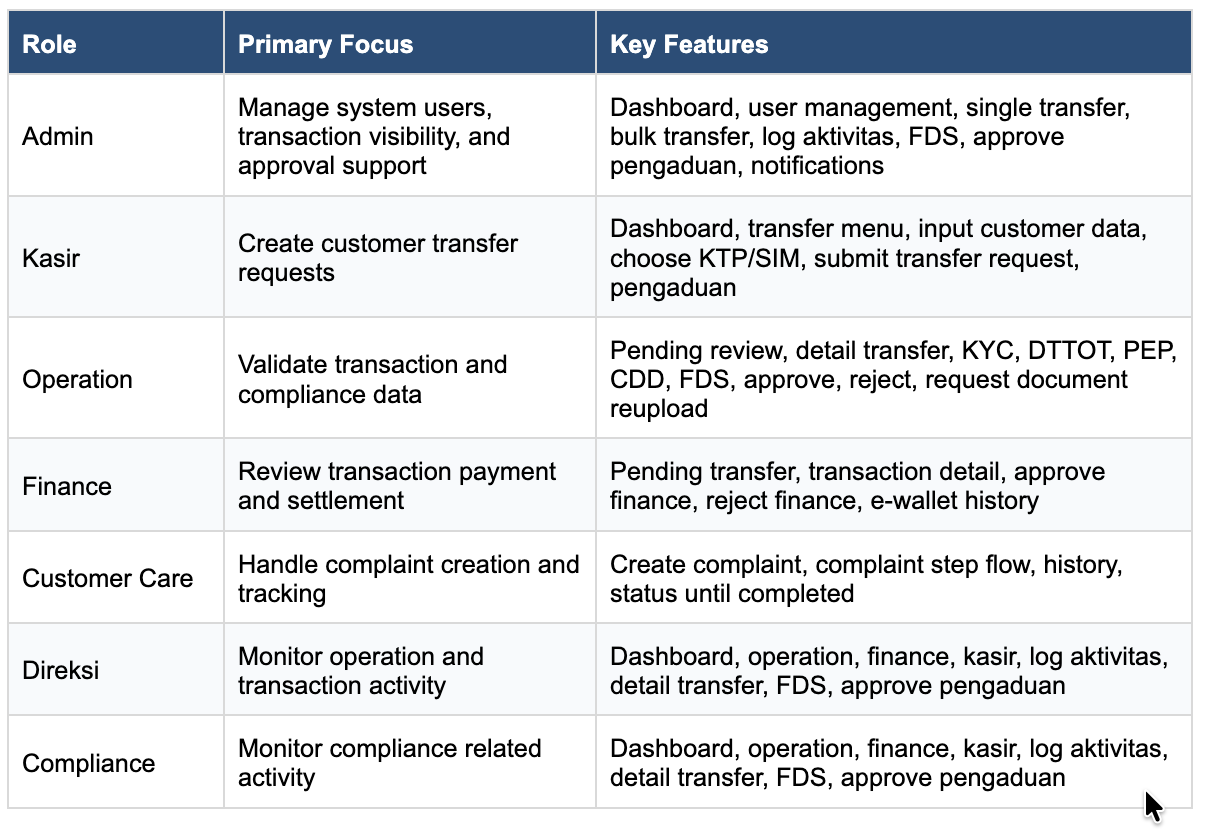
The platform had to do more than show transaction data. Cashiers, Operations, Finance, Admins, Executives, and Compliance each need visibility into statuses, validations, approvals, and the handoffs between their responsibilities.
Designing a user-friendly transfer platform customized for stakeholder requirements. Includes a journal export feature to provide complete visibility into transfer records.
01 — Discover
02 — Define
02 — Define
03 — Design
03 — Design
03 — Design
Product screens
Product screens

Process
01 — Discover
The original project was delivered through stakeholder discussions, requirement analysis, design exploration, and engineering collaboration.
Deliverables
02 — Define
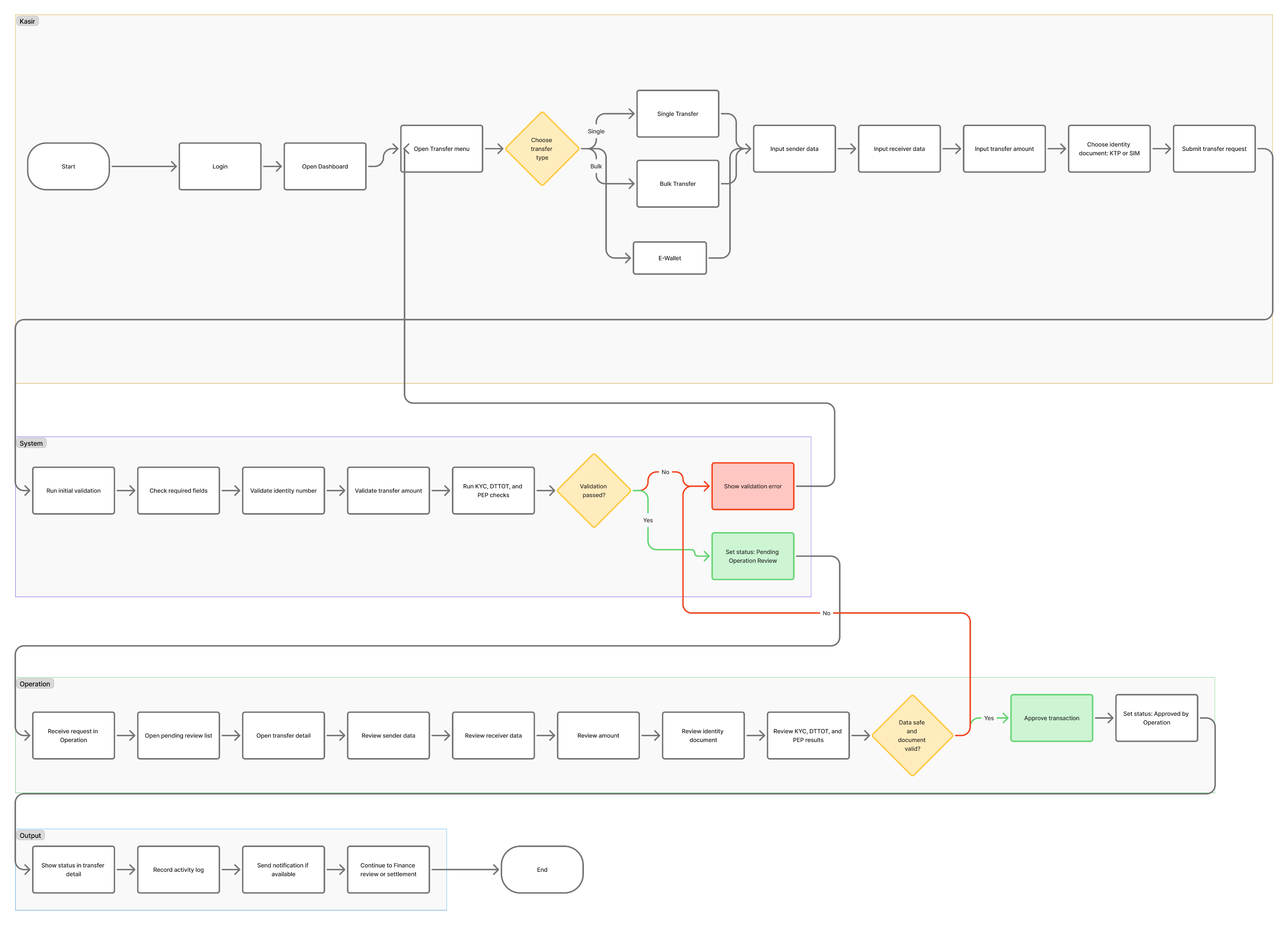
Here the problem framing was delivered through stakeholder discussions. The transaction-success flow shows the relationship between data input, system validation, compliance review, and operational decision making.
Deliverables
03 — Design
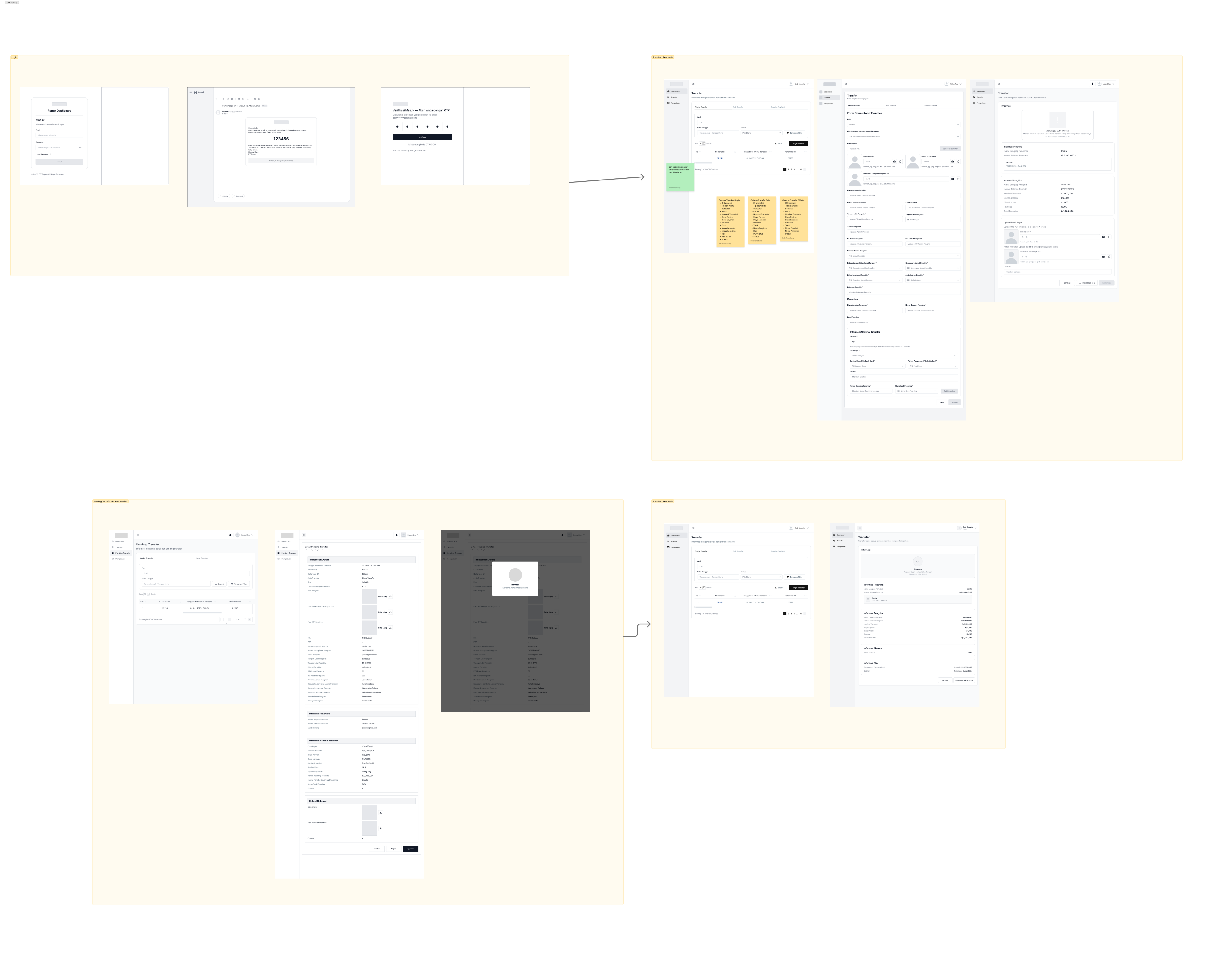
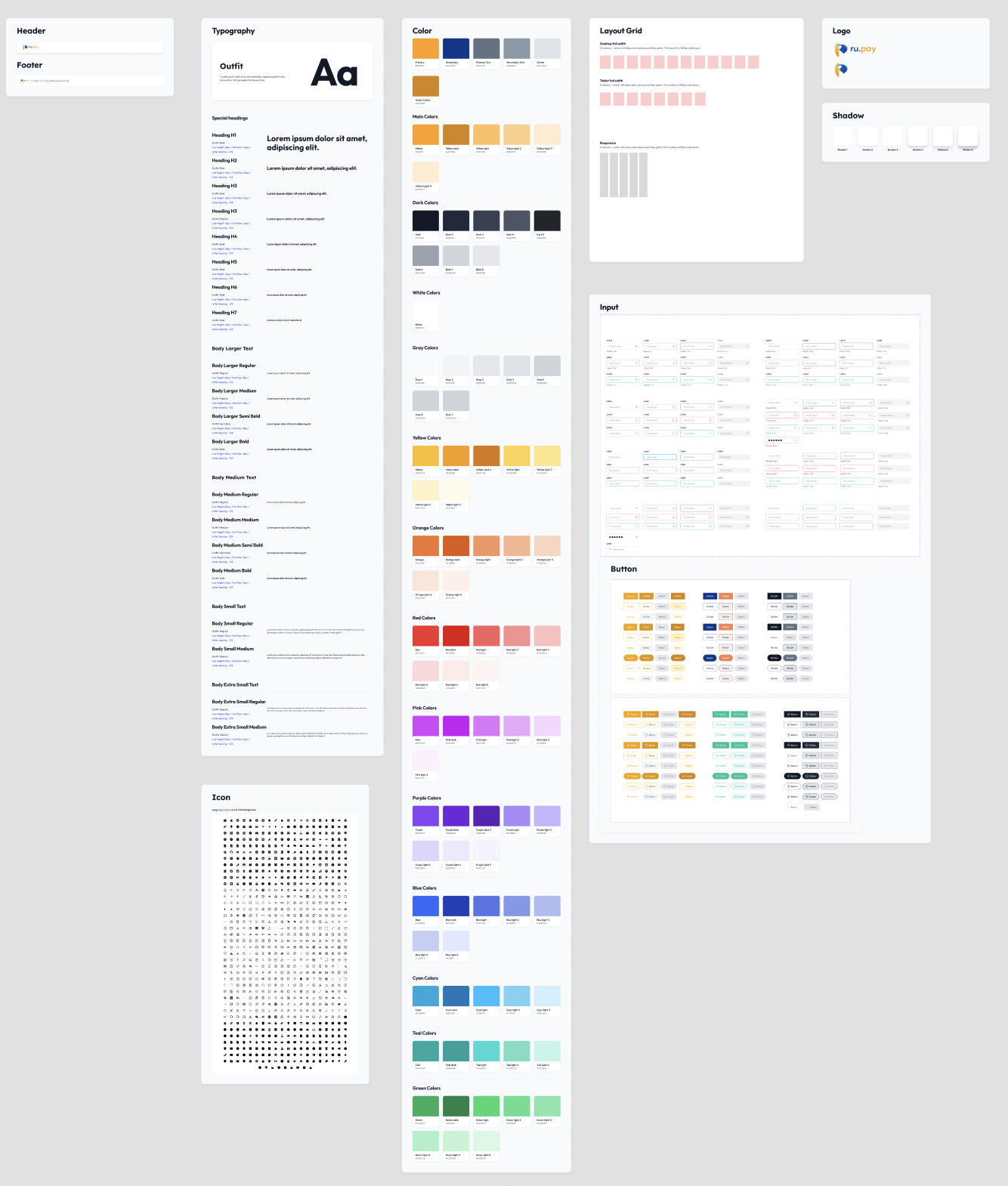
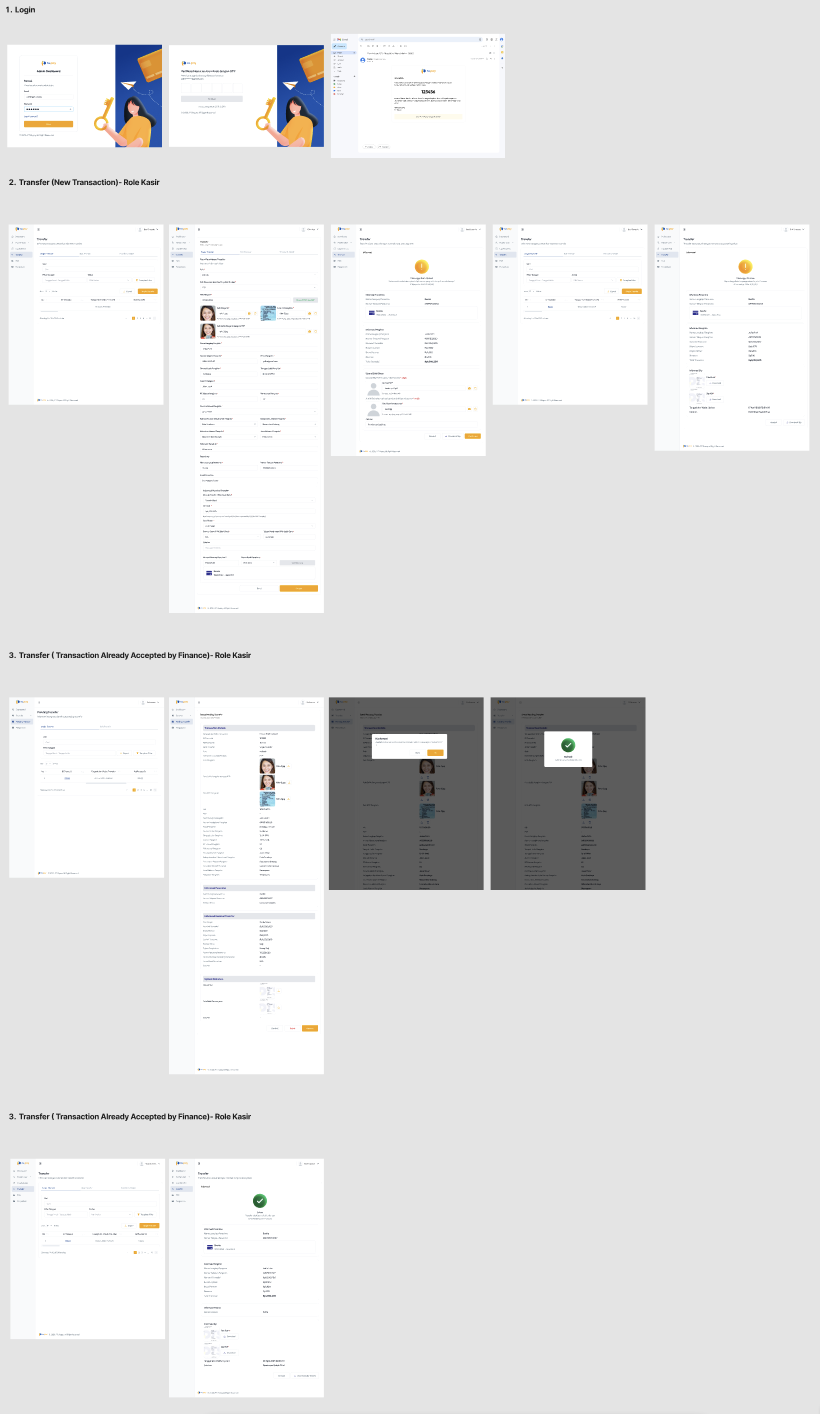
The design process started with stakeholder requirement analysis, followed by role mapping, user-flow definition, low fidelity, and handoff preparation. The goal was to make the internal platform understandable before moving deeper into detailed UI production.
Deliverables
04 — Deliver
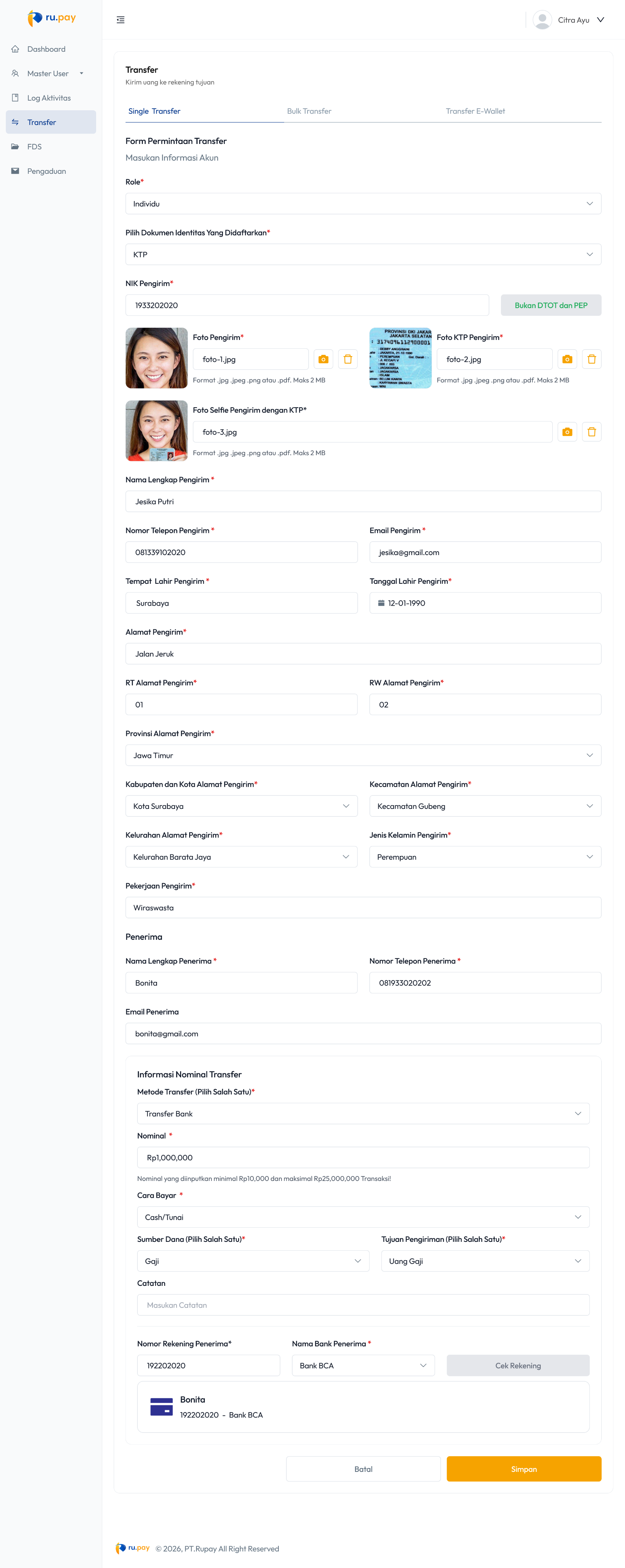
The prototype was reviewed to identify usability issues, unclear information, and unnecessary friction across the main user journey. Based on the feedback, I refined the hierarchy, wording, interaction states, and transaction feedback to make the experience easier to understand. For developer handoff, I prepared detailed designs covering component behavior, different UI states, spacing, interaction rules, and edge cases.
Deliverables
Reflections
The current design documentation gives Rupay a clearer foundation for an internal role-based transaction platform. The portfolio evidence shows how the product moves from business needs into role mapping, flow definition, screen planning, and handoff structure. My key learning from this project is the importance of documenting operational logic before polishing the interface. For a financial platform, the value of design is not only visual clarity, but also how well the interface supports accuracy, role responsibility, validation, and auditability.